Strength, cost, renovation possibilities, moisture resistance... We explain in detail how to choose the right parquet for your needs. Solid or engineered parquet, which type suits you best?
For a warm and characterful room, parquet is a must. Whether you prefer solid or engineered parquet, they are compatible with any style and can be adapted to every taste.
Solid or engineered parquet?
Parquet is a regulated term: to be allowed to use the name ‘parquet’, the floor must contain a top layer of at least 2.5 millimeters of noble wood.
While solid parquet consists entirely of the same wood species, engineered parquet is made up of three layers: the top layer, which is visible after the parquet has been laid, also called the wear layer, followed by the middle layer or core layer, and finally the bottom layer. The wear layer is made of noble wood, while the other two layers are usually made of resin or fiberboard.
Although the difference between solid and engineered parquet is difficult to see at first glance, solid parquet is distinguished by its extreme resistance to wear and tear. It is also very easy to renovate by simply sanding it down, making solid parquet a durable solution. Solid parquet can last a lifetime! In terms of budget, prices vary from 70 to 150 euros per m².
Engineered parquet, on the other hand, is easier to install, lighter, compatible with underfloor heating and less subject to the expansion and contraction of wood over the years (daylight between the boards). Engineered parquet is also generally less expensive than solid parquet. Count on a price between 20 and 80 euros per m² for engineered parquet, depending on the type and quality. Moreover, engineered parquet can also be renovated.
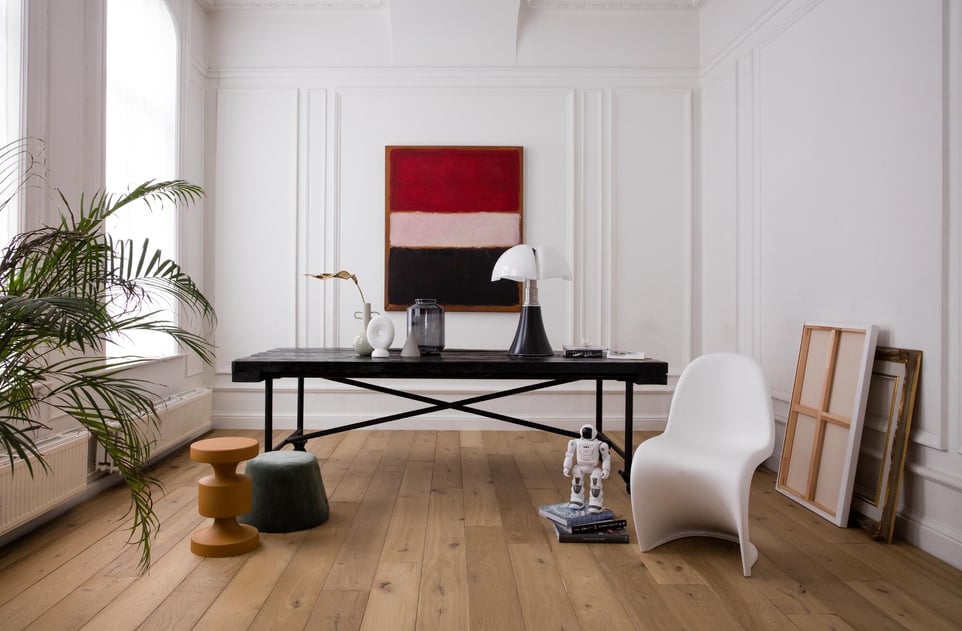
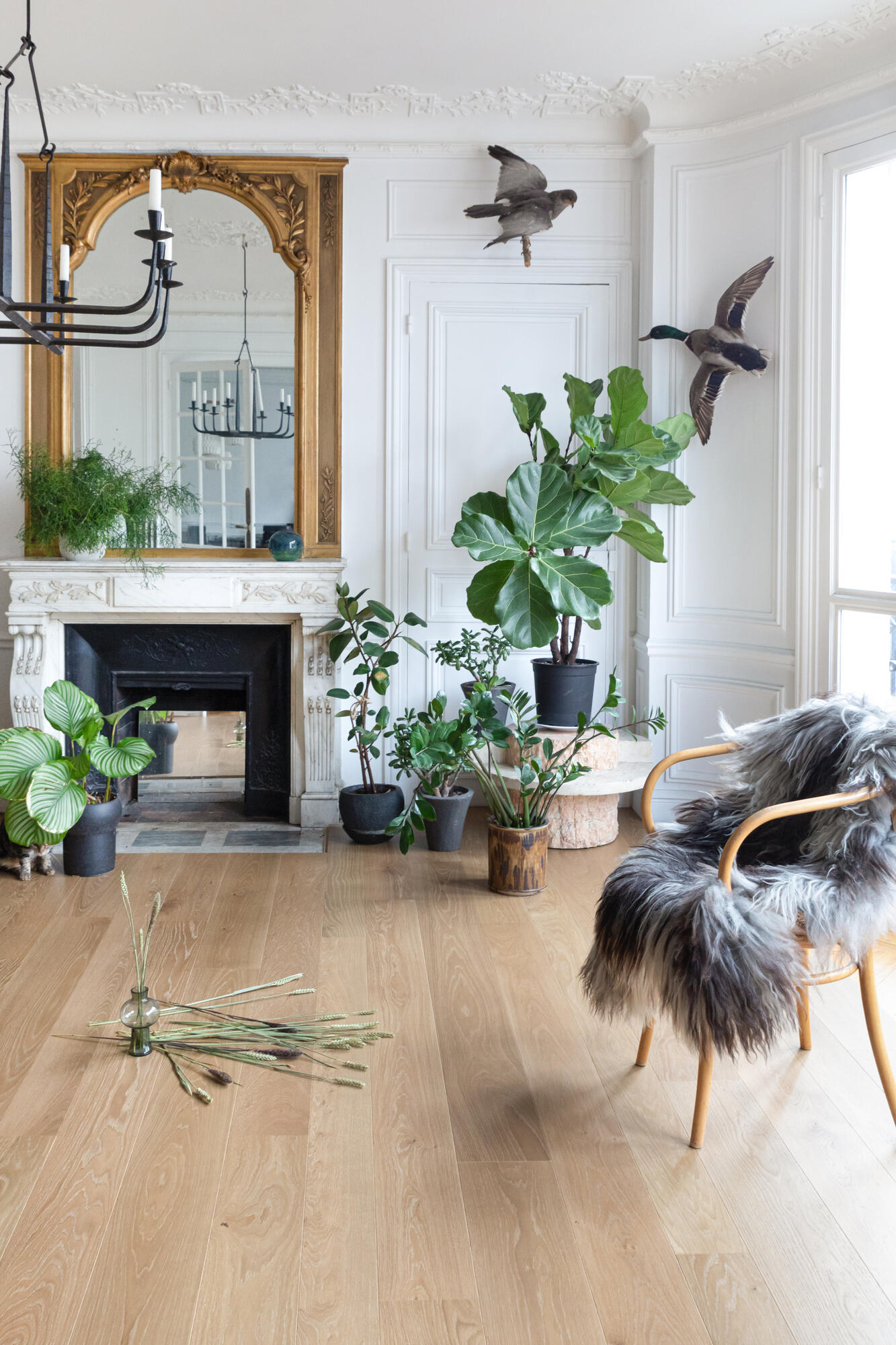
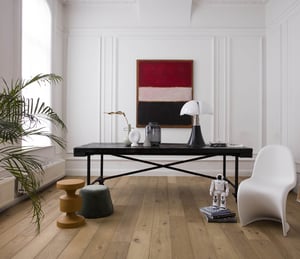
Parquet - Les Iconics - Badiane
The different wood types
Many different types of wood are used for parquet floors. The two categories, solid parquet and engineered parquet, make use of almost every wood species on the market, from the most traditional to the most exotic. Choosing between wood types is therefore a matter of cost (from 20 euros per m² for engineered pine parquet, from 100 euros per m² for solid teak floors), but also of taste and needs.
The choice of wood species also depends on aesthetic appeal and resistance to wear and moisture. Exotic species such as wengé or teak, but also bamboo parquet, are for example particularly dense and robust and are recommended for damp rooms. For living rooms, European woods such as oak, beech and birch are the most popular.
The resistance of each parquet type
The thicker solid parquet is, the stronger and more wear-resistant it is. The same applies to the wear layer of engineered parquet: the thicker the wear layer, the better wear resistant it is.
Engineered parquet lasts on average fifteen years or longer. That is why BerryAlloc parquet offers 15 to 30 years of warranty on parquet. Good to know is that parquet lasts longer in rooms with less foot traffic, such as bedrooms and offices. Another important aspect: engineered parquet is resistant to moisture, unlike solid parquet, which is very sensitive to humidity.
Which colours and finishes should I choose?
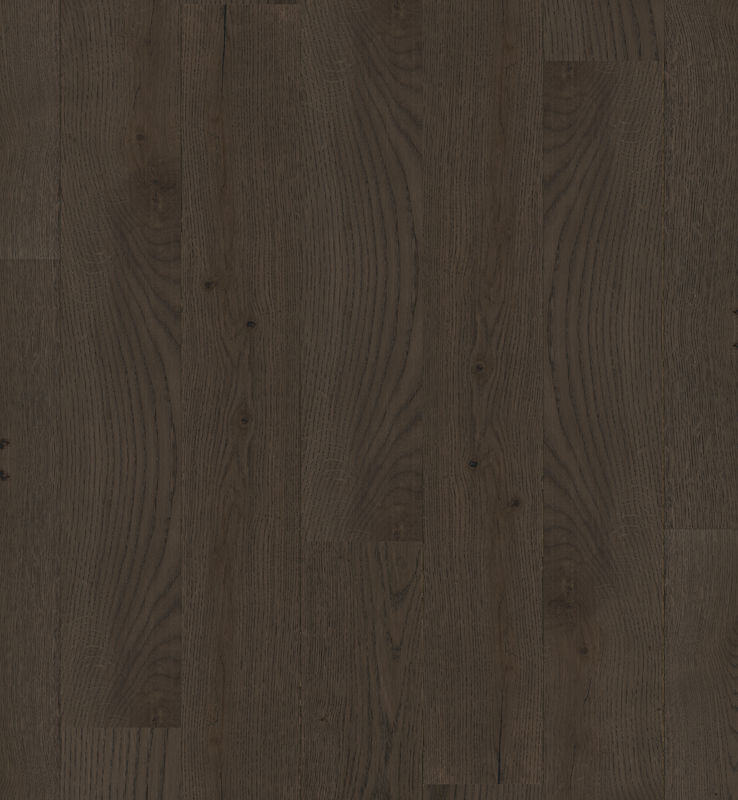
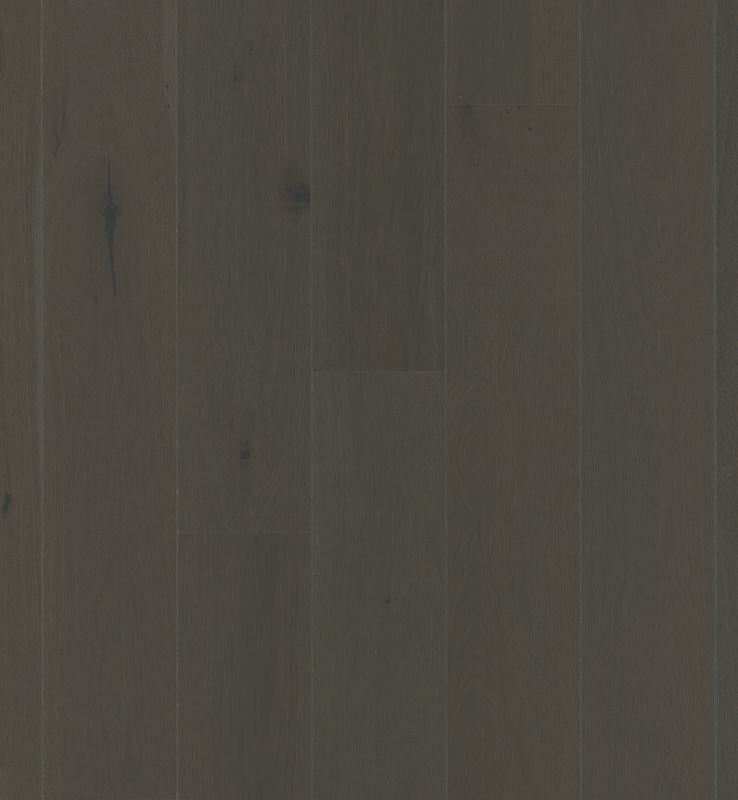
Each wood species has its own specific color. For a contemporary design look, you can opt for darker wood types such as wengé, or parquet floors in deep shades such as the colors ‘Silex’ and ‘Sepia’ from BerryAlloc.
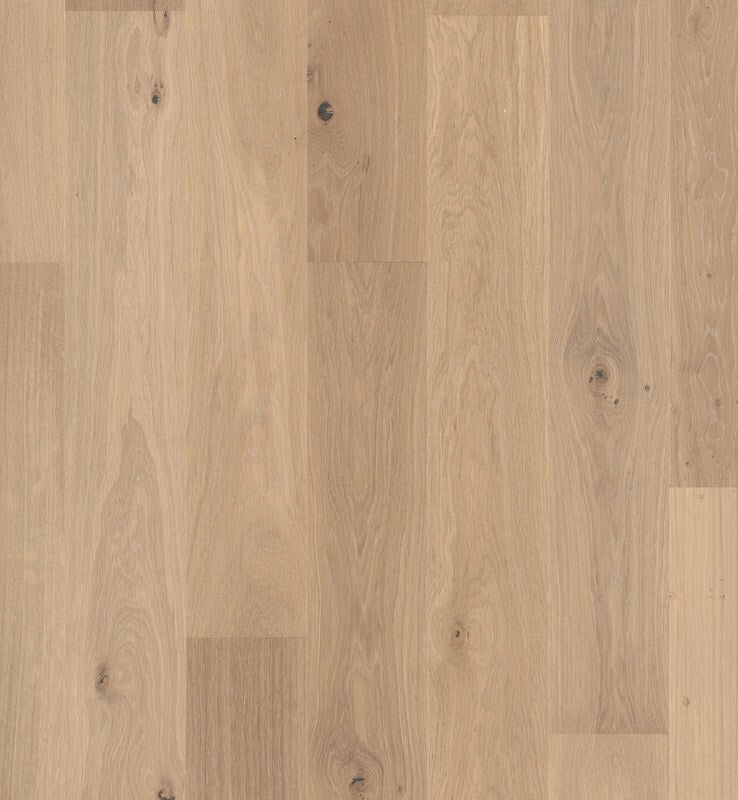
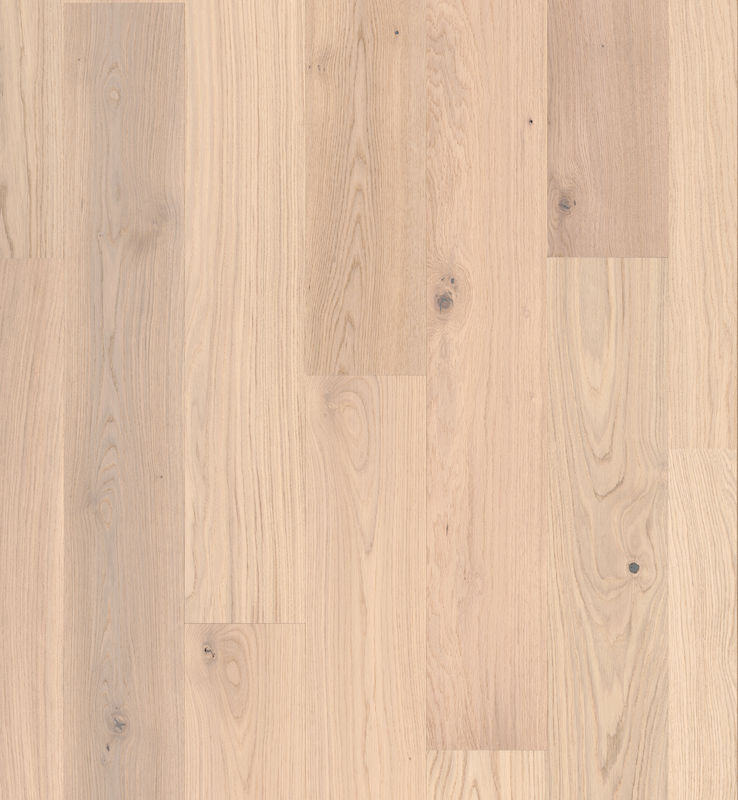
If you prefer something more exotic, go for wood with reddish tones, such as moabi, padauk, jatoba or cherry. Or for types with richer yellow hues, such as iroko, bamboo or guatambu. On the other hand, if you want to give your home a chic country style, choose floors of maple, beech, ash or oak with light finishes such as ‘Silk’ and ‘Nude’. For a more traditional look, there are also brown wood types such as chestnut, teak or merbau.
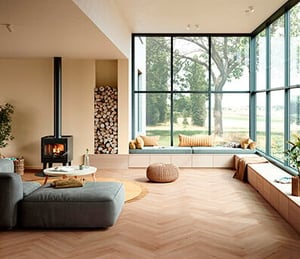
In addition, you must take into account the width of the planks, their size and the way they are laid. Long, wide boards are ideal for large rooms and are perfect for adding or reinforcing a contemporary character. In smaller rooms, shorter planks are preferable. Finally, to give the room extra character, choose a herringbone or Hungarian point pattern.
Wooden floors, whether solid or engineered, must also be protected. The best way to do this is with varnish. By applying a thin layer of transparent, water-resistant lacquer to the floor, you make your parquet wear-resistant and easy to maintain. Other options are oil and wax. Oil is a non-greasy film that penetrates the wooden planks. This traditional treatment brings out the best in untreated wood. However, it does require regular maintenance: every six months a new layer of oil must be applied. Wax, finally, fills the pores of the wood to protect the planks. This treatment gives the floor a natural look. On the other hand, maintenance is more delicate and the finish is less resistant than varnish. The parquet floors of BerryAlloc are all treated with Ultimtec, an innovative, internally developed varnish. It protects the wood and simplifies the maintenance of the floor. It offers the aesthetic appeal of oiled wood, without its drawbacks.
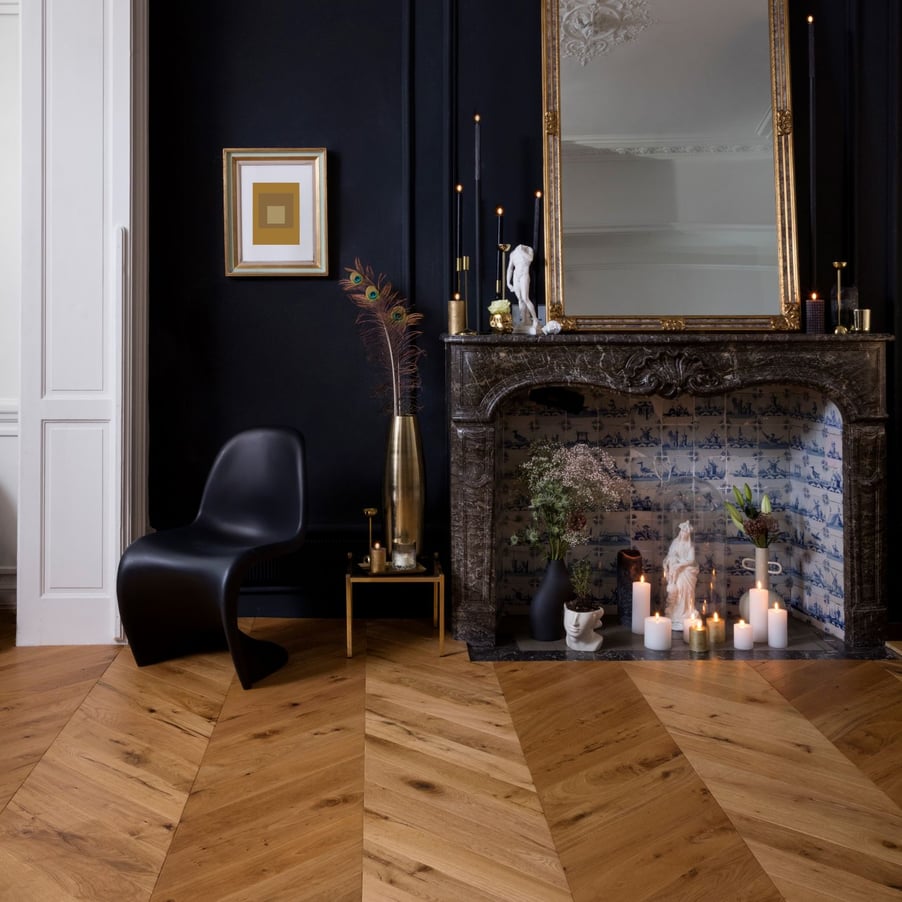 Parquet - Les Iconics - Lutece Chevron
Which parquet for which room?
The more the room is used, the harder the wood and the thicker the floor should be. The Brinell scale assesses the hardness of materials and assigns products an HB value (hardness according to Brinell) between 1 and 10. Pine, which is very soft, has an HB value of 1.3. Walnut, teak and oak, on the other hand, have HB values between 3.4 and 4. Bamboo is extremely resistant and achieves 9 HB. Another factor to take into account is the humidity in the room. Give preference to exotic wood species for damp rooms.
Which parquet floor is best suited for high-traffic areas?
A room where people constantly pass through, such as a hallway, corridor or living room, needs a very wear-resistant floor. A solid parquet floor is then preferable, unless the room has underfloor heating or your budget does not allow it. A thick, high-quality engineered parquet floor is also suitable.
Which parquet floor is preferable in rooms with underfloor heating?
Solid parquet is not recommended for rooms with underfloor heating. In contrast to engineered parquet, which is perfectly compatible with underfloor heating. All BerryAlloc parquet floors are suitable for underfloor heating if they are fully glued down.
Which parquet floor for the bedroom?
In rooms with less foot traffic, such as bedrooms, engineered parquet is the best solution in terms of aesthetics and cost. In these rooms, engineered parquet lasts for decades.
Which parquet for wet rooms?
For damp rooms such as bathrooms and kitchens, choose solid parquet of exotic wood species such as teak, bamboo and wengé, which are known to resist rot, water and moisture. Other types of parquet are not recommended in a bathroom. Would you still like to go for a parquet look? Then you also have a wide choice of vinyl planks or 100% water-resistant laminate floors that give the same warm parquet look to your bathroom.
Solid or engineered parquet: the differences at a glance
| Solid parquet |
Engineered parquet |
| Extremely resistant, lasts a lifetime |
15 tot 30 jaar |
| Living rooms, high-traffic areas |
Damp rooms, bedrooms or offices |
| Not compatible with underfloor heating |
Compatible with underfloor heating |
| 70 tot 150 euro per m² |
20 tot 80 euro per m² |